

For over a century, electrical grids operated on a relatively straightforward, albeit brute-force, engineering premise. Traditional power plants fueled by coal, natural gas, or nuclear energy served as predictable, centralized hubs. When electricity demand spiked in a particular city, utility operators simply commanded a power plant to shovel more coal into the furnace or open the gas valves. Power flowed in a single, predictable direction from the generating station down to homes and businesses. It was a mechanical, top-down system built for a world of constant, controllable generation.
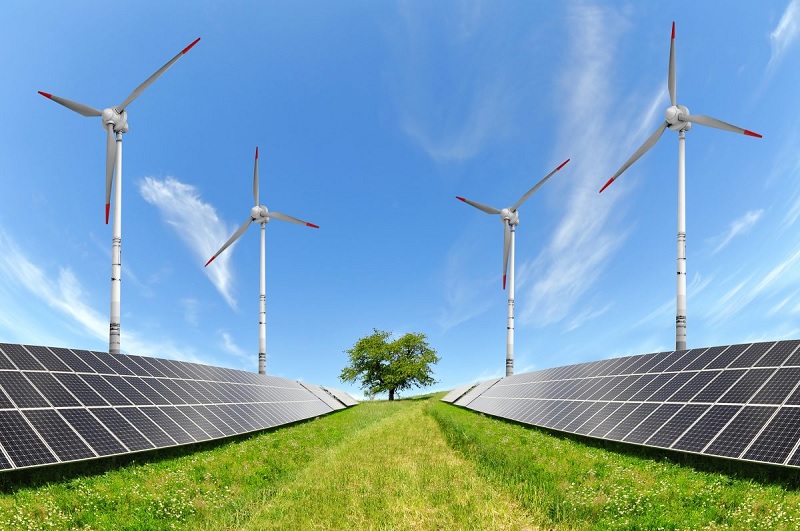
Today, that traditional architecture is undergoing a radical, historic transformation. As the global energy transition accelerates, millions of decentralized, intermittent renewable energy sources—such as sprawling solar farms, offshore wind turbines, and residential rooftop photovoltaic panels—are flooding the grid. While these clean energy sources are vital for combating climate change, they introduce a massive operational challenge: the sun does not always shine, and the wind does not always blow. Nature dictates energy production, not human command.
Balancing a modern electrical grid fueled by volatile renewable sources is too complex for human operators flicking manual switches. Keeping the lights on requires a completely new kind of infrastructure. The invisible engine driving this green revolution is not made of copper wire or concrete dams; it is smart software. Advanced algorithms, machine learning models, and real-time data analytics now serve as the digital nervous system of the modern power grid, orchestrating the chaotic dance between fluctuating supply and unpredictable demand.
The Volatility Challenge of Modern Power Systems
To understand why smart software is indispensable, you must first appreciate the rigid physical reality of electricity. Unlike water or natural gas, electricity cannot be easily or cheaply stored in massive quantities at scale. Generation and consumption must remain in instantaneous, razor-thin balance every single second of the day. If supply drastically outstrips demand, the grid’s frequency spikes, risking catastrophic damage to transformers and industrial equipment. If demand exceeds supply, voltage drops, triggering cascading blackouts.
In a legacy grid, managing this balance was an exercise in forecasting historical load patterns. In a renewable grid, it is a high-stakes, real-time prediction puzzle. A sudden cloud passing over a massive solar installation can cause power output to plummet by fifty percent in a matter of minutes. Simultaneously, a gust of wind can force wind turbines to cut out to protect their blades from structural damage during a storm.
Without intelligent software constantly monitoring these variables, integrating high percentages of renewable energy would destabilize regional power systems. Smart software transforms this volatility into a managed ecosystem by processing petabytes of environmental data to anticipate fluctuations before they happen.
Predictive Analytics and Weather Modeling
The first line of defense in modern grid optimization is hyper-local weather forecasting driven by machine learning. Traditional meteorological models provide broad regional forecasts, but grid operators require granular, minute-by-minute predictions for specific geographic coordinates where energy assets are deployed.
Advanced software models ingest decades of historical weather patterns alongside real-time data streams from satellite imagery, Doppler radar, ground sensors, and atmospheric pressure monitors. By applying machine learning algorithms to this vast data ocean, software can predict solar irradiance and wind velocity hours—and sometimes days—in advance with astonishing accuracy.
When a grid operator knows precisely when a cloud bank will roll over a solar farm or when a wind lull is approaching, they do not get caught flat-footed. The software automatically recalculates expected generation capacity and signals alternative assets to ramp up or down, ensuring seamless continuity of power distribution long before a drop in generation impacts the end consumer.
Balancing Act: Supply, Demand, and Dynamic Pricing
Optimizing power distribution is not just about tracking generation; it is equally about managing consumption. In the past, electricity demand was treated as an unalterable fixed variable. Consumers turned on their appliances whenever they wanted, and the utility scrambled to generate enough power to meet that demand.
Smart software flips this dynamic on its head through demand response programs and dynamic load balancing. Smart meters installed in homes and businesses communicate continuously with utility software networks, creating a two-way digital dialogue across the entire grid.
Harnessing the Internet of Things
Through the Internet of Things, software can orchestrate millions of connected devices across a city. When renewable generation drops unexpectedly and grid stress reaches a peak threshold, automated software can coordinate minor adjustments across thousands of participating smart thermostats, commercial water heaters, and industrial manufacturing systems. By shifting energy-intensive processes—like charging electric vehicle fleets or running industrial refrigeration units—to moments when renewable generation is peaking, software flattens the demand curve without inconveniencing consumers.
The Role of Decentralized Energy Resources and Microgrids
As homeowners install solar panels and battery storage units, power distribution is shifting from a centralized model to a decentralized network of distributed energy resources. Millions of tiny generation points now feed power back into neighborhood distribution lines, often traveling in reverse—from homes up into the main substation.
Managing this two-way power flow requires sophisticated grid edge intelligence. Smart software monitors local substations to prevent local overvoltage issues that occur when too much solar energy is pushed onto a neighborhood transformer designed only to take power out.
Furthermore, software empowers microgrids—localized energy systems that can disconnect from the main national grid and operate autonomously during a wider outage. Utilizing intelligent software controllers, a hospital campus or a university town equipped with solar panels and battery banks can seamlessly balance its own internal generation and storage, islanding itself safely from regional grid failures while continuing to deliver uninterrupted power to critical facilities.
Software-Driven Energy Storage Optimization
Because renewable generation is inherently intermittent, energy storage acts as the critical shock absorber of the modern grid. Massive lithium-ion battery installations, pumped hydro storage facilities, and emerging thermal storage systems capture excess clean energy during peak production hours and discharge it when the sun sets or the wind dies down.
However, operating a multi-million-dollar battery fleet efficiently is a complex mathematical optimization problem. Charge too fast, and you degrade the chemical lifespan of the batteries. Discharge at the wrong time, and you miss out on high market pricing intervals.
Smart software acts as the master strategist for energy storage. Using predictive algorithms, the software evaluates real-time wholesale electricity prices, weather forecasts, and local grid demand signals every few seconds. It determines the optimal micro-moments to store excess solar power, when to hold reserve capacity for emergency frequency regulation, and when to inject stored power back into the distribution network for maximum financial and operational efficiency.
The transition toward a clean energy future is one of the most ambitious engineering undertakings in human history. Building wind turbines and solar panels is only the first step. The true magic that makes a decarbonized electrical grid possible happens inside server rooms and software codebases. By turning raw weather data into predictive foresight, automating demand response across millions of connected devices, and orchestrating complex energy storage systems in real time, smart software ensures that our transition to renewable energy is reliable, resilient, and ready for the future.

Comments are closed.