

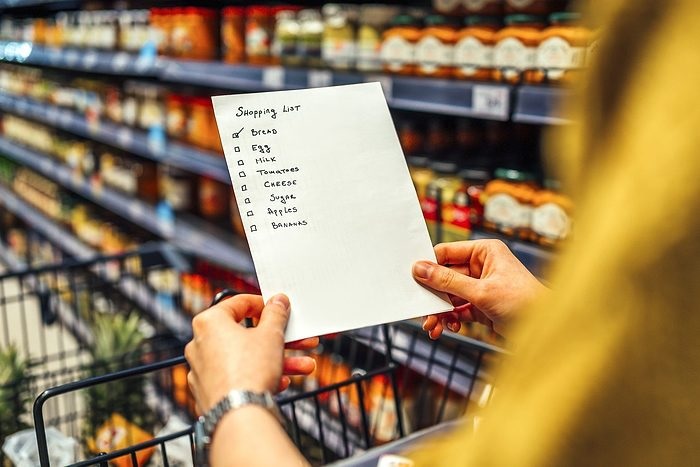
Stepping foot into a modern retail store or a sprawling supermarket without a plan is an exercise in vulnerability. Within seconds of walking through the sliding glass doors, you are immersed in a carefully orchestrated environment engineered by retail psychologists. The ambient lighting, the rhythmic tempo of the background music, the strategic placement of high-margin impulse items right at eye level, and the overwhelming sea of colorful packaging are all designed to bypass your rational thought processes and trigger spontaneous purchases.
Most shoppers walk into stores confident in their ability to remember what they need, relying entirely on mental sticky notes. Yet, by the time they navigate the labyrinth of aisles, they walk out with a cart full of items they never intended to buy, while mysteriously forgetting the exact ingredient or tool they came for in the first place. Reclaiming control over your shopping excursions starts with a remarkably simple, time-tested tool: the pre-planned shopping list. Far from being a tedious administrative chore, writing out a shopping list before visiting retail stores is a strategic superpower that protects your wallet, preserves your time, and eliminates shopping stress.
The Psychology of Retail Design Versus Your Brain
To understand why a simple piece of paper or a notes app on your phone holds so much power, you have to look at how retail stores operate. Every square foot of floor space carries a specific financial expectation. Grocery stores place staple items like milk and eggs at opposite corners of the building to force customers to walk past thousands of items they do not need. End-caps feature flashing promotional signs that scream bargain, even when the item is priced higher than standard shelf alternatives.
When you walk in without a shopping list, your prefrontal cortex is forced to make hundreds of micro-decisions in real time. Do we need olive oil? Is this brand of paper towels a better value than the other? Should I try these new seasonal chips? As explored in discussions around mental fatigue, every single choice chips away at your cognitive energy reserves. By the time you reach the checkout counter, your brain is thoroughly depleted, making you an easy target for the candy bars, magazines, and gadgets lining the checkout lane. A shopping list acts as an external cognitive anchor. It locks in your decisions before you ever step foot in the store, insulating your willpower from the aggressive psychological tactics deployed by retailers.
Guarding Your Hard-Earned Money
The most immediate and tangible benefit of creating a shopping list is financial preservation. Impulse spending is a quiet budget killer that accumulates into hundreds or even thousands of dollars over the course of a year.
When you shop with a strict list, you establish a clear boundary between genuine needs and fleeting desires. If an item is not written on your paper or digital manifest, it stays on the shelf. This practice prevents the phenomenon of grocery or retail drift, where a quick trip to pick up a single lightbulb results in a cart overflowing with scented candles, decorative throw pillows, and gourmet snacks.
Furthermore, preparing a list encourages intentional meal planning or project scoping at home, where you can calmly inventory what you already own. How many times have you bought a duplicate jar of cumin or an extra roll of duct tape simply because you could not remember if you had any left at home? A structured list eliminates duplicate purchases, ensuring that every dollar you spend fills a genuine gap in your household inventory.
Reclaiming Your Most Valuable Asset: Time
In our fast-paced modern lives, time is often more valuable than money. Wandering aimlessly up and down retail aisles trying to piece together a dinner menu or remember which size air filter your HVAC system takes is an inefficient use of your weekend.
A well-organized shopping list transforms your trip from an open-ended exploration into an efficient, targeted mission. When you group your list items logically—such as grouping produce, dairy, and cleaning supplies together in a grocery store, or listing hardware, plumbing, and electrical needs separately for a home improvement center—you map out a direct route through the building.
Instead of zig-zagging back and forth across the store, retracing your steps and wasting precious minutes, you move with purpose. You bypass the temptations of aisles you do not need to enter, complete your transaction swiftly, and exit the building. What used to be a frustrating, hour-long ordeal is compressed into a streamlined twenty-minute errand, freeing up your schedule for the things that truly matter.
Nutritional and Lifestyle Benefits
While financial savings and time management are critical, shopping lists also play a profound role in supporting physical health and wellness.
When people shop without a plan, they are far more likely to make choices driven by immediate hunger, fatigue, or convenience. Grocery shopping on an empty stomach with an empty cart is a recipe for purchasing highly processed, calorie-dense convenience foods that offer little nutritional value.
Building a grocery list at home allows you to construct a balanced, wholesome menu for the upcoming week. You can deliberately select fresh vegetables, lean proteins, and complex carbohydrates while thinking clearly, uninfluenced by the sensory temptations of the snack aisle. When your cart is populated by items from a intentional list, your home environment naturally becomes a healthier space, making it easier to maintain nutritious eating habits throughout the busy workweek.
Crafting an Effective Shopping List
Not all lists are created equal. Simply scribbling a chaotic jumble of words on a scrap envelope can leave you just as frustrated as having no list at all. Mastering the art of the shopping list requires a few simple organizational habits.
Categorize by Store Layout
The secret to a high-efficiency list is organizing your items in the exact order you will encounter them in your preferred store. If you always enter through the produce section, start your list with fruits and vegetables, move down through pantry goods, hit the dairy and frozen aisles, and end with household goods. This eliminates backtracking and keeps your momentum moving forward.
Check Your Inventory First
Before writing a single item down, take five minutes to open your pantry, refrigerator, or tool closet. Verify what you actually have in stock. This simple pre-check prevents clutter, reduces food waste from expired items, and keeps your spending laser-focused on true shortages.
Stick to the Plan While Remaining Flexible
A shopping list is a guide, not an unalterable prison sentence. If you arrive at the store and discover your favorite coffee is completely sold out or out of your budget, you have the flexibility to make an intentional substitution. The key distinction is that you are making the choice based on a conscious evaluation, rather than letting the store make the choice for you through impulse marketing.
In a consumer culture designed to encourage endless acquisition, a shopping list is your quiet act of rebellion. It protects your attention, defends your budget, and honors your time. By taking a few moments before your next retail trip to plan your needs on paper or screen, you transform shopping from a chaotic guessing game into a calm, efficient, and empowering routine.

Comments are closed.