

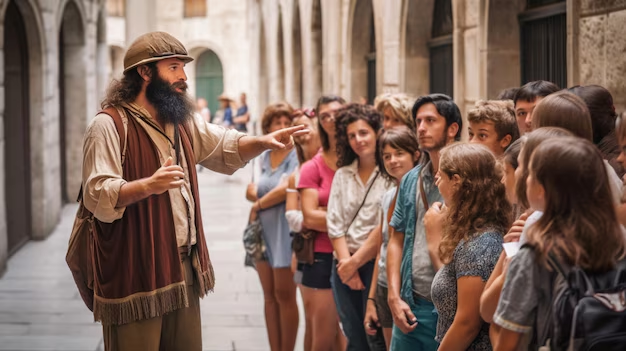
Travel is one of the most enriching experiences in life. Whether it’s a short weekend escape or a months-long journey across continents, travel expands horizons, introduces new perspectives, and creates unforgettable memories. For many people, travel is not only about relaxation but also about cultural immersion, self-discovery, and personal growth. In this guide, we will dive deep into the many aspects of travel, from planning effectively to making the most out of every adventure.
Why Travel Matters
Travelling is more than just moving from one place to another. It represents freedom, exploration, and connection. Many travellers consider it a way to break free from daily routines and embrace something new. When you explore a different country, you learn about its history, traditions, and people, which enriches your own worldview.
Some of the biggest benefits of travel include:
-
Cultural exchange: Understanding traditions, food, and lifestyle beyond your own.
-
Personal growth: Developing resilience, adaptability, and problem-solving skills.
-
Stress relief: Stepping away from everyday pressures and focusing on new surroundings.
-
Global awareness: Becoming more conscious of world issues, from sustainability to diversity.
Planning Your Journey
A successful trip begins with proper planning. While spontaneous travel has its charm, thoughtful organisation ensures you make the most of your time and budget.
Setting a Budget
Money is one of the biggest concerns for travellers. To avoid financial stress:
-
Decide how much you can realistically spend before your trip.
-
Allocate funds to major categories like flights, accommodation, food, transport, and activities.
-
Keep an emergency fund aside for unexpected expenses.
Choosing a Destination
Your choice of destination depends on interests, budget, and travel goals. Ask yourself:
-
Do you want adventure, relaxation, or cultural immersion?
-
Are you drawn to beaches, cities, mountains, or historical sites?
-
How accessible is the destination in terms of flights and visas?
Booking Flights and Accommodation
To find good deals:
-
Be flexible with dates and destinations.
-
Use flight comparison websites for the best fares.
-
Consider a mix of hotels, hostels, guesthouses, and rental apartments for varied experiences.
Types of Travel
There is no single way to travel. Everyone’s style is different, and choosing the right type ensures a fulfilling experience.
Solo Travel
Solo travel is growing in popularity, offering complete freedom and independence. It’s perfect for those who enjoy setting their own pace and meeting new people along the way.
Family Travel
Travelling with family requires more planning, especially when children are involved. Look for destinations with family-friendly attractions, safe environments, and a balance of relaxation and activity.
Adventure Travel
For thrill-seekers, adventure travel includes hiking, diving, paragliding, or exploring remote regions. This form of travel focuses on adrenaline and discovery.
Cultural and Heritage Travel
Many travellers choose to explore destinations rich in history and tradition. This includes visiting museums, heritage sites, local festivals, and indigenous communities.
Sustainable Travel
With climate concerns rising, sustainable travel is becoming essential. Responsible travellers minimise their footprint by:
-
Choosing eco-friendly accommodation
-
Supporting local businesses
-
Respecting cultural norms and natural habitats
Making the Most of Your Experience
Immersing in Local Culture
To truly experience a place, engage with its people and traditions:
-
Learn a few phrases in the local language.
-
Try authentic regional food.
-
Participate in cultural events or workshops.
-
Visit local markets instead of only tourist attractions.
Staying Safe While Travelling
Safety should never be overlooked:
-
Research the local laws and customs.
-
Keep important documents and money secure.
-
Avoid risky areas, especially at night.
-
Stay connected with friends or family about your whereabouts.
Balancing Technology and Exploration
Technology can enhance travel through maps, translation apps, and bookings. However, avoid being glued to screens. Allow yourself to disconnect and fully experience your surroundings.
Travel on a Budget
Travel doesn’t have to be expensive if you plan wisely:
-
Travel during the off-season for lower prices.
-
Use public transportation instead of taxis.
-
Opt for local street food which is cheaper and often more authentic.
-
Stay in budget-friendly accommodations like hostels or homestays.
Travel Etiquette
Respect for culture and people is a vital part of travel:
-
Dress appropriately in religious or traditional areas.
-
Always ask before photographing people.
-
Follow environmental rules such as not littering or disturbing wildlife.
FAQs About Travel
What is the best way to save money while travelling?
The best way is to plan in advance, travel off-season, and prioritise experiences over luxury. Staying in budget-friendly accommodation and eating local food can significantly cut costs.
Is solo travel safe?
Solo travel is safe if you remain cautious. Research the destination, stay aware of your surroundings, and avoid unnecessary risks. Many solo travellers find it empowering and rewarding.
How can I make my travel more sustainable?
Choose eco-friendly transport, reduce plastic use, and support local communities. Even small actions like carrying a reusable water bottle contribute to sustainability.
What essentials should I always carry on a trip?
Passport, travel insurance documents, a small first-aid kit, local currency, power bank, and comfortable walking shoes are must-haves for any trip.
How can I overcome language barriers while travelling?
Use translation apps, learn basic phrases, and rely on gestures or visuals. Locals often appreciate the effort, even if your pronunciation isn’t perfect.

Comments are closed.