

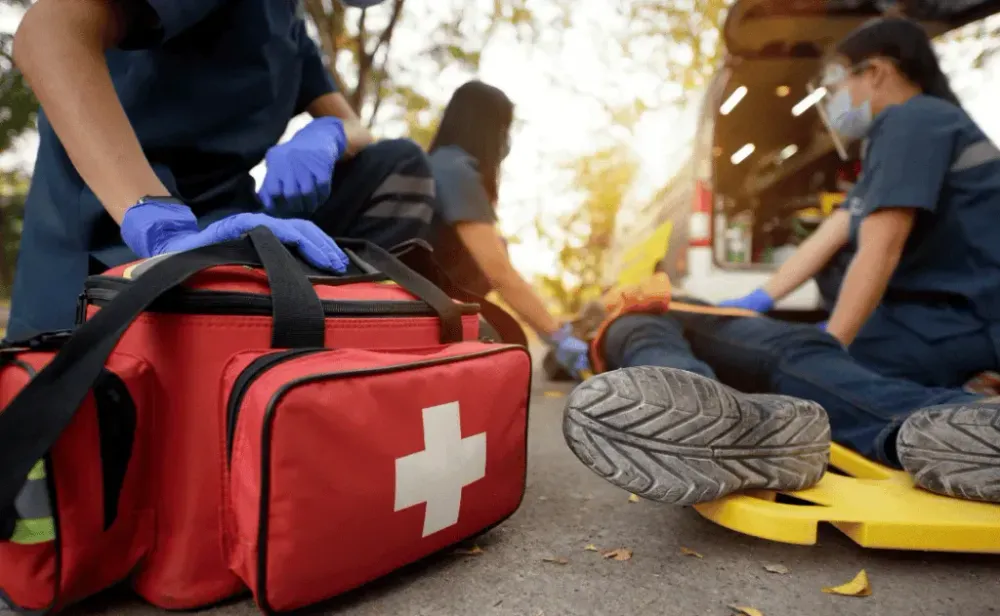
Travel brings excitement, discovery, and unforgettable experiences. However, unexpected situations can arise at any moment—lost documents, medical issues, delayed flights, or natural disasters. Knowing how to respond calmly and efficiently during travel emergencies can protect your safety, finances, and overall trip experience.
Preparation and quick thinking are the key elements that help travelers navigate difficult situations without panic. This guide explains practical strategies to handle travel emergencies confidently and responsibly.
Common Types of Travel Emergencies
Understanding the most common travel issues helps you react faster when they occur.
1. Medical Emergencies
Health problems can occur unexpectedly during travel.
Examples include:
- Sudden illness or infection
- Food poisoning
- Injuries from accidents or outdoor activities
- Allergic reactions
Immediate medical attention and having travel insurance coverage can reduce stress and financial burden.
2. Lost or Stolen Documents
Losing important travel documents such as passports, visas, or ID cards can disrupt your entire trip.
Typical situations include:
- Passport theft in crowded tourist areas
- Losing documents during transit
- Misplacing boarding passes or travel permits
Contacting your embassy or consulate quickly helps resolve these situations faster.
3. Transportation Disruptions
Flights, trains, or buses may be delayed or canceled due to:
- Bad weather
- Mechanical problems
- Airline strikes
- Airport security issues
Having backup travel plans ensures you can adjust your itinerary smoothly.
4. Financial Problems
Travelers sometimes encounter unexpected financial difficulties.
Examples include:
- Lost wallet or credit cards
- ATM malfunctions
- Fraudulent transactions
Carrying multiple payment options helps prevent being stranded without money.
5. Natural Disasters or Political Unrest
Rare but serious events such as earthquakes, storms, or civil disturbances may affect travel.
During such situations:
- Follow instructions from local authorities
- Stay updated with official news
- Contact your embassy if evacuation assistance is required
Essential Preparation Before Traveling
Preventive planning greatly reduces the impact of emergencies.
Keep Copies of Important Documents
Create digital and physical backups of:
- Passport
- Visa documents
- Travel insurance policy
- Flight tickets
- Hotel reservations
Store copies in cloud storage or email so they remain accessible if originals are lost.
Purchase Travel Insurance
A comprehensive travel insurance policy can cover:
- Emergency medical treatment
- Trip cancellations
- Lost baggage
- Emergency evacuation
Always review the coverage details before purchasing a plan.
Share Your Travel Itinerary
Provide trusted family members with your:
- Flight details
- Hotel locations
- Travel schedule
This ensures someone can assist or locate you during emergencies.
Save Emergency Contacts
Before your trip, store important numbers in your phone:
- Local emergency services
- Embassy or consulate
- Travel insurance hotline
- Hotel reception
These contacts can save valuable time in urgent situations.
Steps to Take During a Travel Emergency
When a crisis occurs, staying calm and taking organized action is crucial.
1. Stay Calm and Assess the Situation
Panic often worsens emergencies. Take a moment to:
- Evaluate the problem
- Identify immediate risks
- Determine whether you need urgent help
Clear thinking leads to better decisions.
2. Contact Local Authorities
If the situation involves theft, accidents, or safety threats:
- Call local emergency services
- Visit the nearest police station
- Request an official report if needed
Police reports are often required for insurance claims or replacement documents.
3. Reach Out to Your Embassy
Embassies assist travelers with:
- Emergency passports
- Legal guidance
- Evacuation support during crises
- Communication with family members
Embassy staff can guide you through unfamiliar local procedures.
4. Inform Your Insurance Provider
If your situation involves medical care or major travel disruptions:
- Contact your insurance provider immediately
- Follow their claim process instructions
- Keep receipts and documentation
This ensures you receive proper reimbursement later.
5. Secure Your Finances
If cards or cash are lost:
- Immediately block compromised cards
- Contact your bank for emergency assistance
- Use backup payment methods
Many banks provide emergency card replacement services abroad.
Safety Tips for Travelers
Smart habits can significantly reduce the chances of emergencies.
Practical travel safety tips:
- Keep valuables in anti-theft bags
- Avoid displaying expensive items publicly
- Stay aware of your surroundings
- Use hotel safes for important documents
- Research local laws and customs beforehand
Preparation and awareness are the strongest defenses against travel problems.
Building an Emergency Travel Kit
Carrying a small emergency kit can help you manage minor problems quickly.
Recommended items include:
- Basic first-aid supplies
- Prescription medications
- Portable phone charger
- Emergency contact list
- Small flashlight
- Travel insurance information
These simple items can make a significant difference during stressful moments.
Final Thoughts
Travel emergencies are unpredictable, but they do not have to ruin your journey. With the right preparation, awareness, and quick decision-making, travelers can overcome challenges safely.
Remember to stay calm, seek assistance when necessary, and rely on proper planning to navigate unexpected situations. Prepared travelers often turn difficult moments into manageable experiences while continuing to enjoy their adventures.
Frequently Asked Questions (FAQ)
1. What should I do first if my passport is lost while traveling?
Report the loss to the local police and contact your country’s embassy or consulate immediately to begin the process of obtaining an emergency passport.
2. Is travel insurance necessary for international trips?
Yes. Travel insurance helps cover medical emergencies, trip cancellations, lost luggage, and evacuation costs that could otherwise be extremely expensive.
3. How can I keep my valuables safe during travel?
Use anti-theft bags, hotel safes, money belts, and avoid carrying all valuables in one place.
4. What emergency numbers should travelers know abroad?
Important numbers include local emergency services, your embassy, travel insurance provider, and your accommodation contact.
5. How can travelers prepare for medical emergencies?
Carry personal medications, keep copies of prescriptions, know nearby hospitals, and ensure your insurance covers international healthcare.
6. What should I do if my wallet is stolen during a trip?
Immediately block your bank cards, report the theft to local authorities, and contact your bank for emergency card replacement.
7. How can travelers stay informed during major emergencies or disasters?
Monitor official government alerts, local news updates, and travel advisories issued by your country’s foreign affairs department.

Comments are closed.