

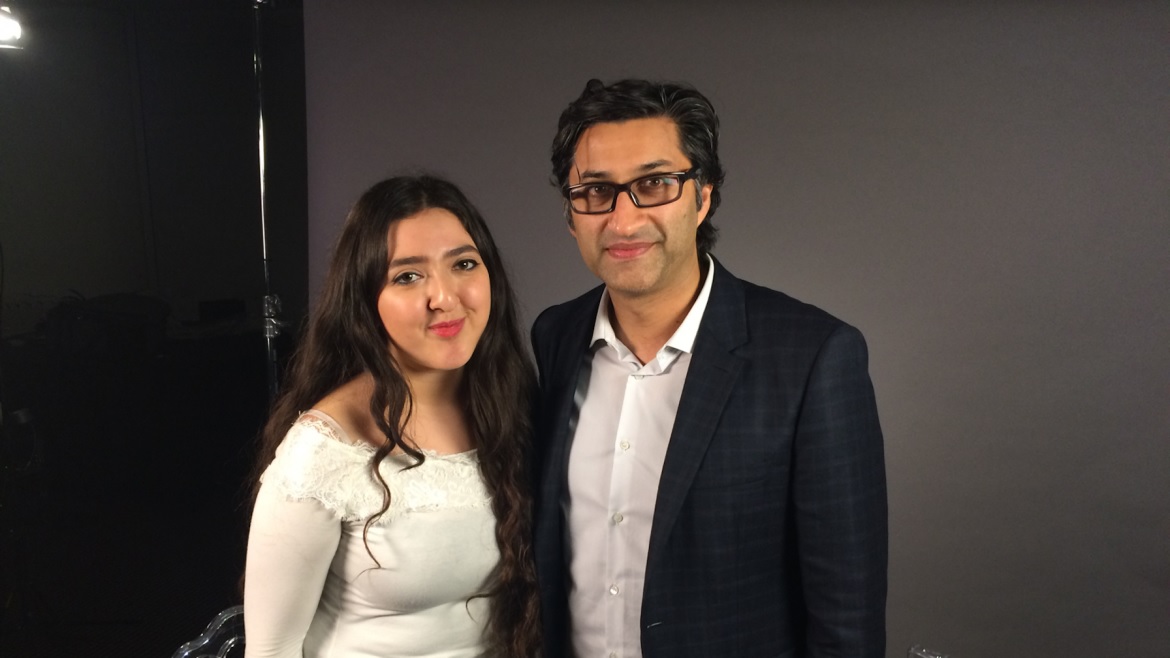
Asif Kapadia’s career has been defined by his uncompromising commitment to visual truth and the elevation of archival storytelling into a profound cinematic language. In a media landscape often driven by surface narratives and rapid consumption, Asif Kapadia continues to uphold a mode of storytelling that emphasizes depth, emotional authenticity, and meticulous research. His body of work serves not only as a cinematic achievement but also as a vital contribution to the cultural documentation of our time.
Kapadia’s international breakthrough came with Senna, a film that fundamentally reshaped how documentaries could be experienced. By exclusively using archival material and eschewing conventional narration or interviews, Kapadia transformed hours of race footage, television coverage, and behind-the-scenes recordings into a riveting portrait of a man whose life and legacy transcended sport. What made Senna distinctive was not just the subject but the editorial philosophy: the viewer was invited to witness events unfold in real time, guided only by the emotional cadence of the material.
This approach deepened with Amy, a film that rejected the familiar tabloid lens through which Amy Winehouse had been viewed. Kapadia and his team, led once again by editor Chris King, reviewed thousands of hours of video and audio recordings, often sourced from close friends, family, and colleagues. Kapadia’s refusal to appear on camera or include talking heads reinforced the intimacy of the viewing experience. Audio interviews were woven seamlessly over archival visuals, creating a sense of personal testimony rather than retrospective commentary. The resulting portrait was not only critically lauded but widely recognized for restoring dignity and humanity to its subject.
In Diego Maradona, Kapadia faced a different challenge: telling the story of a still-living subject at the time, whose life had spanned multiple decades, languages, and public personas. Rather than present a linear biography, Kapadia chose to focus on Maradona’s years in Naples—a period dense with contradiction and transformation. Kapadia structured the narrative with the momentum of a crime epic, using archival sports footage, home movies, and news coverage to depict a man revered and reviled in equal measure. The absence of overt editorializing allowed the contradictions to emerge organically, reflecting the complexity of Maradona’s fame and downfall.
Kapadia’s storytelling principles are grounded in forensic visual examination. He often compares his filmmaking process to investigative work—scouring footage for hidden cues, unspoken truths, and emotional nuances. This methodology not only informs the structure of his films but also allows his subjects to speak through the material itself. In every project, Kapadia demonstrates that authentic storytelling does not require voice-of-God narration or heavy-handed analysis; instead, it requires listening closely to what the footage is already saying.
Sound design and music play a pivotal role in enhancing the immersive quality of Kapadia’s films. Longtime collaborator Antonio Pinto has been instrumental in creating scores that reinforce mood without overpowering the visuals. In Amy, the subtle interplay between ambient sound and Winehouse’s lyrics heightened the emotional stakes, while in Senna, the musical cues underscored both the exhilaration of racing and the inevitability of tragedy. Kapadia treats sound as an extension of character, using it to reveal emotional truths embedded within the visual archive.
Kapadia’s influence extends beyond his filmography into his role as a speaker and mentor. At industry gatherings and festivals like Kite Festival, he shares his insights on ethical storytelling, trust-building with contributors, and the responsibility filmmakers hold when documenting real lives. His emphasis on patience, research, and discretion sets a high standard in a field where speed and visibility often take precedence. Kapadia’s process—long, deliberate, and deeply respectful—has become a model for how meaningful documentary work is achieved.
By building his films entirely from existing visual records and refusing to insert himself into the narrative, Asif Kapadia has created a body of work that honors both the subjects and the viewers. His legacy lies not only in the awards and accolades but in his unrelenting pursuit of truth through image, and in his conviction that the archive, when treated with respect and precision, can become one of the most powerful tools in modern storytelling.

Comments are closed.