

The auto industry has always been a cornerstone of modern economies, driving innovation, employment, and mobility. Today, it is experiencing one of the most significant transformations in its history. From the rise of electric mobility to the integration of artificial intelligence, the way we view, use, and own cars is evolving rapidly. Understanding these changes is essential for consumers, manufacturers, and policymakers alike.
The Shift Towards Electric Vehicles (EVs)
One of the most prominent trends in the automotive sector is the transition from traditional combustion engines to electric vehicles. This shift is being accelerated by both environmental concerns and government regulations aimed at reducing carbon emissions.
Why EVs are gaining momentum:
-
Lower running costs: Electricity is generally cheaper than petrol or diesel, and EVs have fewer moving parts, which reduces maintenance expenses.
-
Government incentives: Tax breaks, grants, and subsidies encourage drivers to switch to electric.
-
Technological advancements: Improved battery capacity and faster charging solutions are making EVs more practical for everyday use.
Many analysts believe that within the next decade, EVs will dominate new car sales, reshaping the entire automotive landscape.
Autonomous Driving and AI Integration
Artificial intelligence is no longer limited to software applications; it is now at the heart of automotive development. Self-driving cars, once a futuristic concept, are becoming a reality thanks to advanced sensors, machine learning, and real-time data processing.
Key benefits of autonomous vehicles:
-
Increased safety: AI-driven cars can potentially reduce accidents caused by human error.
-
Improved accessibility: Elderly and disabled individuals will have greater independence with self-driving options.
-
Traffic efficiency: Smarter driving decisions can ease congestion and optimise road use.
Although full autonomy is not yet mainstream, semi-autonomous features such as lane assistance, adaptive cruise control, and automatic emergency braking are already standard in many vehicles.
Connectivity and the Rise of Smart Cars
The concept of a car as a standalone machine is fading. Today’s automobiles are highly connected, operating as mobile hubs that interact with smartphones, home systems, and the wider internet.
Examples of connectivity in vehicles:
-
Real-time navigation updates with traffic alerts.
-
Remote control features via mobile apps, such as preheating the car or checking battery status.
-
Over-the-air software updates that keep vehicles running with the latest technology.
This integration is creating new business models, where software and digital services are as valuable as the vehicle itself.
Sustainability and Green Manufacturing
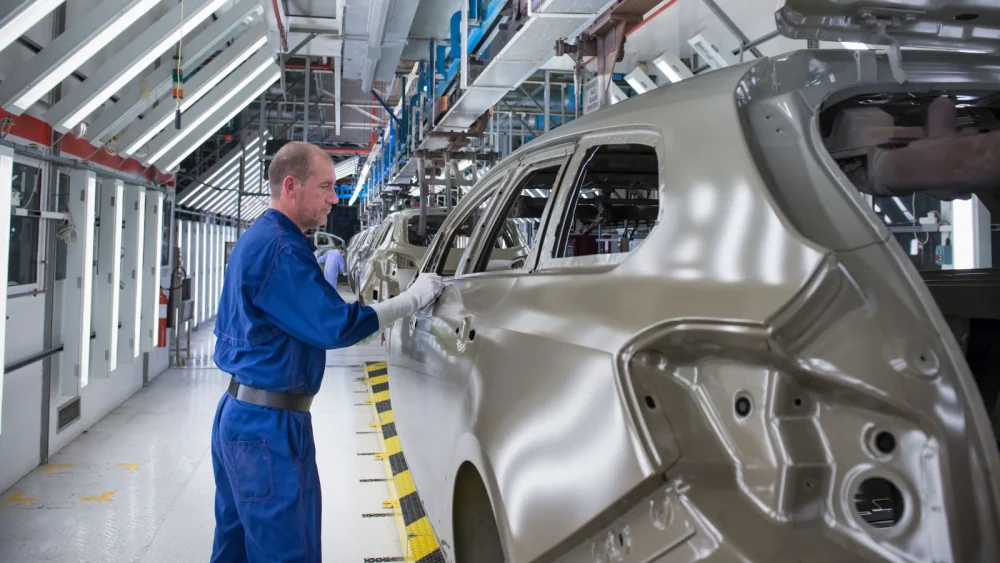
Beyond electric powertrains, the auto industry is also addressing sustainability in production. Car manufacturers are investing in eco-friendly materials, recycling initiatives, and energy-efficient factories.
-
Recycled materials are being used in upholstery and interiors.
-
Lightweight composites reduce fuel consumption by improving efficiency.
-
Renewable energy is increasingly powering manufacturing plants.
This holistic approach ensures that sustainability covers not just vehicle use but also the entire production cycle.
Shared Mobility and Changing Ownership Models
Another emerging trend is the shift from ownership to access. Urbanisation and rising costs of car ownership have given rise to car-sharing schemes, ride-hailing services, and subscription models.
Why people are embracing shared mobility:
-
Cost savings: Avoiding expenses related to insurance, maintenance, and parking.
-
Flexibility: Use a car only when needed without long-term commitments.
-
Sustainability: Fewer cars on the road can reduce congestion and emissions.
This movement suggests that in the future, fewer people will own cars, but more people will still use them when necessary.
Advances in Safety Features
Safety has always been a priority in the automotive industry, and modern technology is pushing it to new heights. From predictive algorithms to advanced crash detection, vehicles today are equipped to protect drivers and passengers better than ever before.
Key safety innovations include:
-
Collision avoidance systems.
-
Pedestrian detection technology.
-
Vehicle-to-vehicle communication for real-time hazard alerts.
-
Smart airbags that adjust deployment based on passenger size and seating position.
These advancements are paving the way toward safer roads worldwide.
The Role of Artificial Intelligence in Predictive Maintenance
One area where AI is revolutionising the auto industry is in predictive maintenance. Vehicles are increasingly equipped with sensors that monitor performance and detect potential issues before they escalate into costly problems.
This not only reduces downtime for drivers but also helps manufacturers and fleet managers cut operational costs. Predictive analytics are becoming an essential part of modern car ownership and fleet management.
Global Challenges Facing the Auto Industry
Despite these innovations, the automotive sector is not without challenges.
-
Supply chain disruptions: Global shortages of microchips have delayed car production.
-
High battery costs: While EV prices are falling, batteries remain a significant expense.
-
Infrastructure gaps: Charging stations, especially in rural areas, are still limited.
-
Consumer adoption: Many drivers remain hesitant about EV range, safety of autonomous driving, and long-term costs.
Addressing these concerns will be crucial for the industry to move forward seamlessly.
The Future Outlook of the Auto Industry
The future of the auto industry is exciting, with immense potential for innovation. Electric, connected, autonomous, and sustainable vehicles will dominate the market, reshaping how society views mobility. Manufacturers that adapt quickly to these shifts are likely to lead the market, while those that remain rigid may struggle to survive.
FAQs
Q1: How long does it take to charge an electric vehicle?
The charging time depends on the charger type. A rapid charger can power an EV to 80% in under an hour, while a standard home charger may take 6 to 8 hours.
Q2: Are autonomous cars legal in the UK?
Currently, only semi-autonomous features are legally allowed. Full self-driving cars are undergoing trials, and regulations are being developed to ensure safety before they are widely adopted.
Q3: Will electric cars become cheaper in the future?
Yes. As battery technology improves and production scales up, prices are expected to fall, making EVs more affordable for the average consumer.
Q4: Can connected cars be hacked?
While security measures are strong, connected cars do face potential cyber risks. Manufacturers are continuously improving cybersecurity to minimise threats.
Q5: Is car ownership declining in cities?
Yes, especially among younger generations in urban areas. Many prefer shared mobility services due to convenience, lower costs, and environmental benefits.

Comments are closed.