

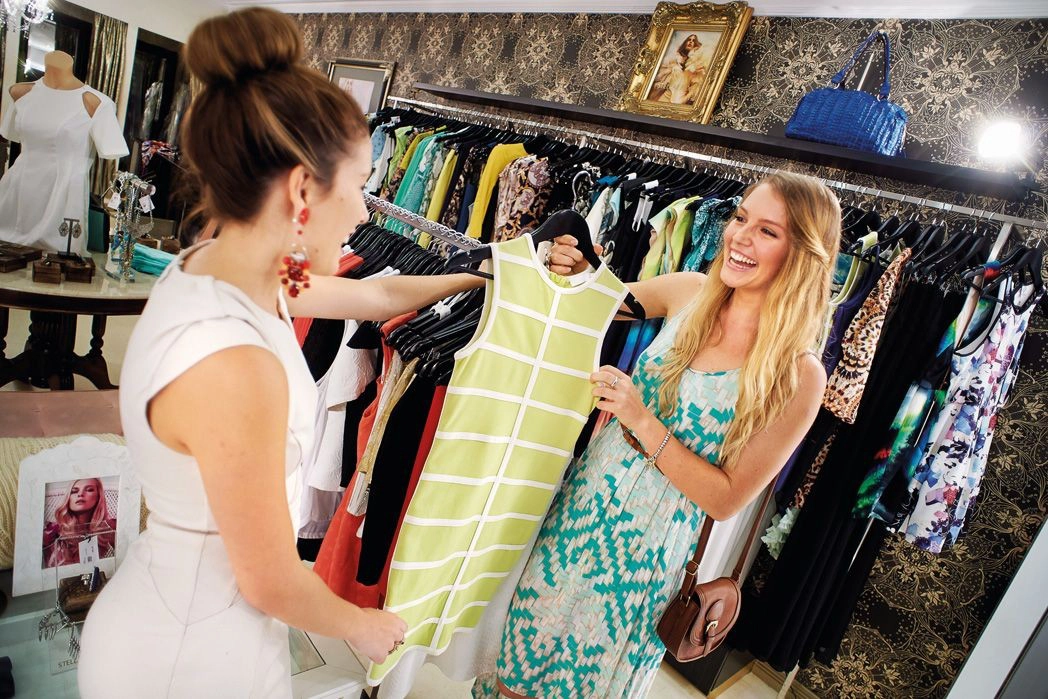
Shopping is more than just a way to acquire products. It is an experience that combines psychology, lifestyle, and practicality. Whether done online or in physical stores, the act of shopping reflects cultural trends, personal needs, and evolving consumer behaviour. Today, shopping is no longer limited to necessity; it has become an integral part of entertainment, social life, and even self-expression.
The Evolution of Shopping
Historically, shopping was a simple exchange of goods at markets or small shops. Over time, department stores and supermarkets reshaped the experience by offering variety under one roof. The introduction of e-commerce revolutionised how people purchase everyday essentials and luxury items. With just a few clicks, customers can compare prices, read reviews, and have items delivered to their doorstep.
Modern shopping is characterised by a blend of physical and digital experiences. Many consumers enjoy browsing in shops for the tactile element but choose to purchase online for convenience or better deals.
Why People Love Shopping
Several factors contribute to the universal appeal of shopping:
-
Psychological satisfaction: Buying new items often triggers dopamine, creating a sense of reward.
-
Convenience: Online platforms allow consumers to shop anytime, anywhere.
-
Personal identity: Fashion, gadgets, and lifestyle products reflect personal style and values.
-
Social experience: For many, shopping with friends or family is a bonding activity.
Online Shopping: The Digital Marketplace
Advantages of Online Shopping
-
Accessibility: Shop from the comfort of your home.
-
Variety: Access to international brands and rare products.
-
Comparison tools: Easily evaluate prices, specifications, and reviews.
-
Time-saving: Quick checkout and delivery options.
Challenges of Online Shopping
-
Delivery delays can be frustrating for time-sensitive purchases.
-
Product mismatch occurs when items don’t look or feel like advertised.
-
Return processes can be complicated and time-consuming.
-
Security concerns require careful attention to safe payment gateways.
In-Store Shopping: The Traditional Experience
Physical shops remain relevant despite the growth of online platforms. Shoppers appreciate the ability to touch, try, and instantly take home items.
Benefits of In-Store Shopping
-
Tangible experience: See and feel the product before purchase.
-
Instant gratification: No waiting for delivery.
-
Personal interaction: Sales assistants can provide expert advice.
-
No delivery costs: Reduces additional expenses.
Limitations of In-Store Shopping
-
Time-consuming: Requires travel and queuing.
-
Limited opening hours compared to 24/7 online shops.
-
Restricted variety based on shop size and location.
The Rise of Smart Shopping
Smart shopping refers to making informed decisions that maximise value and satisfaction. It goes beyond bargain hunting and involves strategic choices to balance quality, price, and need.
Tips for Smart Shopping
-
Research before purchase: Compare products across multiple platforms.
-
Set a budget: Prevent overspending by defining spending limits.
-
Check return policies: Always understand refund terms.
-
Use loyalty programmes: Points and cashback systems provide long-term savings.
-
Look for seasonal sales: Take advantage of holiday and clearance discounts.
The Role of Technology in Shopping
Digital tools have transformed shopping experiences dramatically:
-
Mobile apps provide personalised recommendations.
-
Artificial intelligence powers product suggestions based on browsing history.
-
Virtual reality and augmented reality enable customers to try products virtually.
-
Cashless payments ensure quicker and safer transactions.
Technology has bridged the gap between online and offline shopping, creating an omnichannel environment where consumers can switch seamlessly between digital and physical platforms.
Sustainable Shopping: A Conscious Choice
Modern consumers are increasingly concerned about sustainability. Shopping decisions often consider environmental and ethical factors:
-
Eco-friendly packaging reduces waste.
-
Fair-trade products support ethical labour practices.
-
Second-hand shopping promotes reuse and reduces landfill waste.
-
Local shopping supports small businesses and reduces carbon emissions.
Being mindful of the environment is no longer a niche trend; it is becoming central to mainstream shopping culture.
Shopping and Personal Finance
While shopping is enjoyable, it can easily lead to financial strain if not managed wisely. Responsible shopping requires balancing desires with necessities.
Strategies to Manage Spending
-
Prioritise essential purchases before luxury items.
-
Use price-tracking tools to buy at the best moment.
-
Avoid impulse buying by waiting 24 hours before making a non-essential purchase.
-
Review monthly expenses to identify areas of overspending.
The Future of Shopping
Looking ahead, shopping will continue evolving with technology and consumer demands:
-
Drone deliveries may speed up logistics.
-
AI-driven chat assistants will provide real-time support.
-
Hyper-personalisation will make every shopping journey unique.
-
Subscription models will expand, offering convenience for essentials.
The focus will shift towards creating seamless, enjoyable, and responsible shopping experiences.
FAQs about Shopping
What is the difference between window shopping and actual shopping?
Window shopping involves browsing products without the intention of buying, while actual shopping ends in a purchase. Window shopping is often used for inspiration or entertainment.
Is online shopping always cheaper than in-store shopping?
Not necessarily. While online platforms often offer discounts, physical shops may provide exclusive promotions or clearance sales. Comparing across both channels ensures the best deal.
How can I avoid fake or low-quality products online?
Check verified reviews, purchase only from trusted retailers, and look for secure payment options. Reputable platforms often provide authenticity guarantees.
Why do people spend more during seasonal sales?
Sales create urgency and the fear of missing out. Shoppers feel motivated to buy more, believing they are saving money, even when overspending.
Is second-hand shopping a good option?
Yes. It promotes sustainability, saves money, and often provides access to unique items. Many modern consumers view it as both practical and fashionable.
What are the benefits of shopping locally?
Shopping locally supports small businesses, reduces environmental impact, and fosters community connections. It also ensures fresher produce in the case of food shopping.
Can shopping improve mental health?
In moderation, shopping can boost mood and provide a sense of control. However, compulsive shopping can lead to financial stress and should be managed carefully.

Comments are closed.