

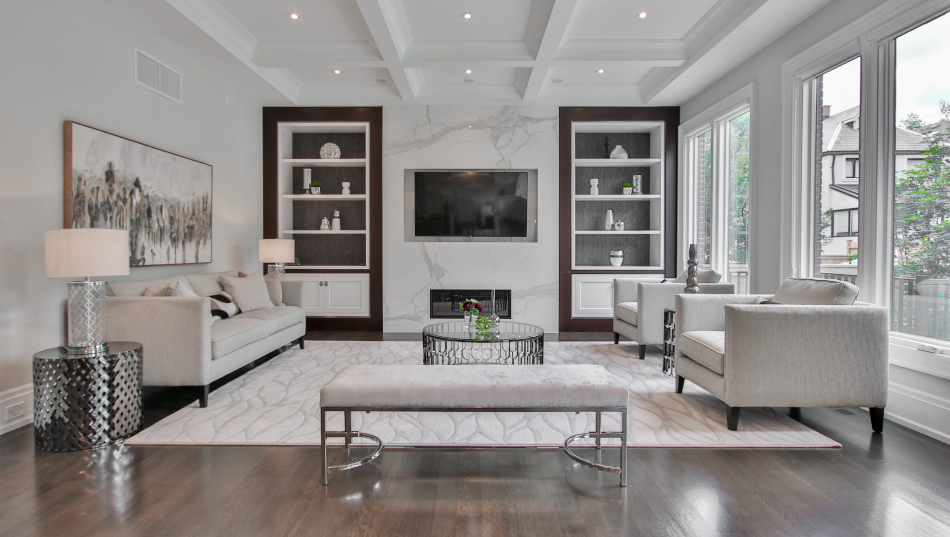
Home is one of the most powerful words in the English language. It goes beyond bricks, paint, and a roof overhead. For many, home represents safety, identity, and belonging. Whether it is a city apartment, a countryside cottage, or a modern suburban house, the concept of home is deeply personal and emotional. It’s not just about where we live but how we feel when we are there. Understanding this broader meaning helps us appreciate why the word home carries such significance in our daily lives.
What Makes a House a Home?
A house becomes a home when it reflects the people who live in it. A bare structure without personal touches may provide shelter, but it cannot offer warmth and comfort until it is filled with life, love, and memory.
Key Elements that Create a Home
-
Comfort: Soft furnishings, familiar scents, and cosy corners bring a sense of ease.
-
Identity: Photographs, décor choices, and treasured items showcase who you are.
-
Safety: Feeling protected is central to the meaning of home.
-
Connection: Home is a place where relationships are nurtured and bonds are strengthened.
The Emotional Value of Home
Home is often associated with emotions more than physical objects. The feeling of stepping inside after a long day, the laughter shared around the dining table, or the quiet moments of solitude in a favourite chair all contribute to its emotional weight.
A home can:
-
Provide stability during uncertain times
-
Anchor you to traditions and values
-
Serve as a canvas for new beginnings
Home as a Reflection of Lifestyle
The way a home is designed and organised speaks volumes about lifestyle. Minimalists may prefer clean lines and uncluttered spaces, while others find comfort in warmth, colour, and abundant décor. Regardless of style, a true home adapts to its residents’ changing needs.
Ways Homes Reflect Their Owners
-
Design: Colour choices, furniture style, and layout mirror personal taste.
-
Functionality: A home office or open-plan kitchen can reveal priorities.
-
Atmosphere: Some homes radiate energy, while others exude calmness.
The Role of Home in Wellbeing
A well-maintained home contributes directly to physical and mental wellbeing. Natural light, fresh air, and comfortable living spaces reduce stress and promote health. Conversely, a neglected or uncomfortable living space can increase tension and discomfort.
Health Benefits of a Balanced Home
-
Improved sleep quality through a peaceful environment
-
Reduced anxiety with organised, clutter-free spaces
-
Enhanced focus when dedicated areas for work or study are available
Home as a Place of Belonging
Beyond comfort and style, home offers belonging. It is where people can be themselves without judgement. It is the place where family, friends, and community gather. Belonging transforms a physical space into a sanctuary where meaningful relationships flourish.
Creating a Sense of Home Anywhere
Not everyone lives in their ideal home, but anyone can create a sense of home wherever they are. Even temporary living spaces can be filled with warmth and familiarity.
Practical Tips to Build a Sense of Home
-
Add personal photographs or artwork
-
Use warm lighting instead of harsh overhead bulbs
-
Keep favourite books, music, or hobbies nearby
-
Bring in natural elements such as plants or flowers
The Changing Meaning of Home
Home has evolved over time. Once, it was primarily a place of shelter. Today, it has become a hub for multiple aspects of life. With the rise of remote work, many homes now double as offices, gyms, or creative studios. This shift shows how adaptable the concept of home truly is.
Home in Different Cultures
Across cultures, the meaning of home varies but carries the same emotional depth. In some traditions, home is strongly tied to family heritage, while in others it emphasises individuality and independence. Despite differences, the universal desire for belonging and safety unites all interpretations of home.
Why Home Matters More Than Ever
In an increasingly fast-paced and digital world, the home has become a retreat. It is where people disconnect from stress, recharge, and reconnect with themselves and loved ones. Home offers consistency in a world that often feels uncertain, making it one of the most valuable aspects of life.
Frequently Asked Questions (FAQs)
What is the difference between a house and a home?
A house is the physical structure, while a home is the emotional and personal connection we build within that space.
Can rented accommodation feel like home?
Yes, even rented spaces can feel like home when personalised with décor, meaningful belongings, and routines that bring comfort.
Why do people feel homesick?
Homesickness arises when people miss the familiarity, safety, and emotional ties connected to their home environment.
How can I make my home feel more welcoming?
Small touches such as warm lighting, inviting scents, comfortable seating, and personal items create a welcoming atmosphere.
Is home always tied to a physical location?
Not necessarily. For some, home is more about people and relationships than the actual place. It can be wherever loved ones are.

Comments are closed.