

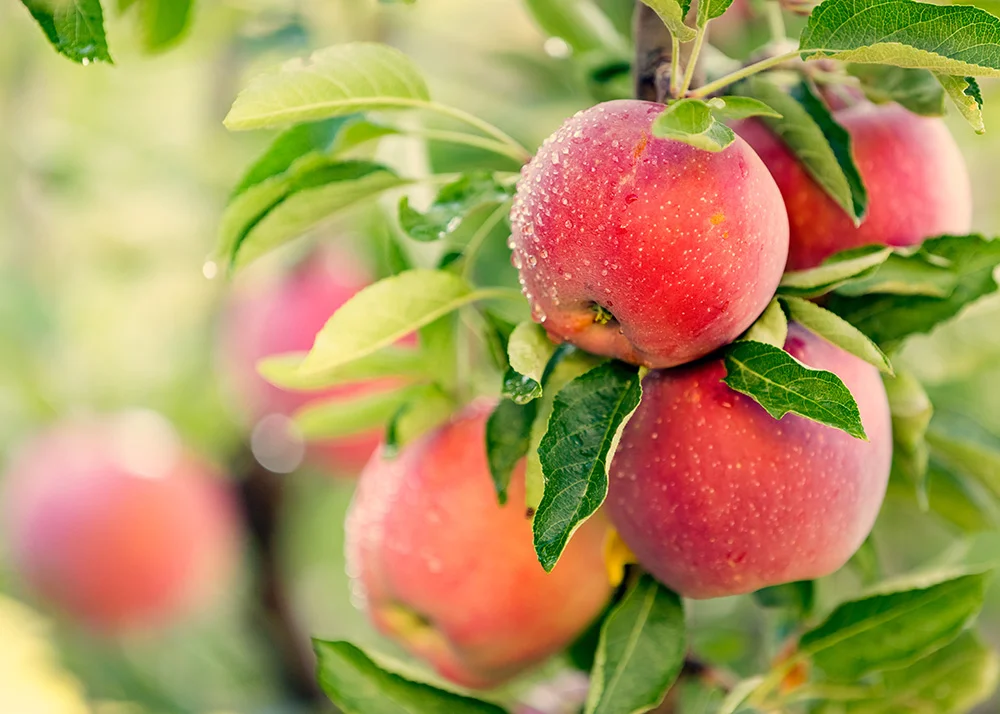
Home gardeners often need a straightforward answer to a simple question: which apple trees can crop reliably on their own? If you are starting a small orchard, training a tree against a fence, or squeezing a fruit tree onto a patio, choosing a self-fertile variety removes the guesswork around pollination partners. It also helps if you plan to buy fruit trees for a single-spot planting where space and sunlight are at a premium.
“Where space is tight or local pollination is uncertain, customers do well with a self-fertile selection on a size-appropriate rootstock. If you want the broadest set of options in one place, search for self fertile apple trees. As a rule, even self-fertile trees benefit from good siting, adequate moisture at blossom time, and balanced pruning to maintain spur wood.”, advises and experienced staff member from https://www.fruit-trees.com/.
Why Self-Fertile Apples Matter
Most apples are self-infertile, which means they need compatible pollen from another variety flowering at roughly the same time. That is not always practical in terraces, new-build estates, or urban gardens. Self-fertile apples provide a built-in safety net: a single tree can set a worthwhile crop on its own. Even then, your yields often improve if there are other apples or crab apples nearby, but the key advantage is reliability with just one tree. Independent horticultural sources confirm that certain cultivars, including the three highlighted here, can be grown successfully as standalone trees in Britain, noting that cross-pollination still enhances fruit size and regularity.
What “Self-Fertile” Really Means
Self-fertility doesn’t make pollination irrelevant; it simply broadens the conditions under which a tree sets. Frost, poor bee activity, hard winds and spring drought can all reduce fruit set. A self-fertile tree therefore protects your crop from the vagaries of local pollination while rewarding careful siting and basic care. As you compare labels, be aware that some varieties are described as fully self-fertile and others as partially self-fertile. In practice, both can crop alone, but partially self-fertile types may show a more obvious lift in yield when a compatible partner is present.
Rootstock, Size and Training
Your choice of rootstock influences the eventual size of the tree and how quickly it bears. For very small spaces and containers, miniature rootstocks produce compact, early-fruiting trees suited to patios and stepovers. Dwarf and semi-dwarf rootstocks fit typical suburban borders, where you might train a cordon or an espalier along a fence. More vigorous options suit larger plots where the tree can develop a broader canopy and a deeper anchorage. Many of the varieties discussed below are sold on a full spread of rootstocks for bush, cordon, fan/espalier, stepover and patio forms, so you can match growth to your space from the outset.
How We Chose the Top Three
The three apples below have been selected because they are self-fertile, widely available in the UK, and consistently praised for garden performance. They span early to late use, include two red-skinned dessert apples and a self-fertile selection of Britain’s most famous dessert apple style. They are also supported by nursery and horticultural references that confirm their self-fertility and typical season.
Red Falstaff: The Self-Starter For All-Round Reliability
Red Falstaff is a modern, heavy-cropping dessert apple with crisp texture and balanced sweetness. The fruit is attractively flushed red, often covering most of the skin, and it stores respectably into early winter when kept cool. In small gardens, its reputation is built on its dependable yields, frost tolerance at blossom time, and the fact it is self-fertile, so it needs no pollinating partner to give a worthwhile crop. The Royal Horticultural Society lists Red Falstaff as self-fertile and places it in pollination group 3, a useful flowering window for many British sites.
Harvest window and flavour profile make Red Falstaff a crowd-pleasing eater for family gardens. Expect a fruity flavour with plenty of crunch, and a picking period running into October with use into December, subject to local climate and storage conditions.
Training options are a major plus. Red Falstaff is available as bush, cordon, espalier/fan, miniature and stepover forms, allowing you to line a path with stepover apples, dress a south-facing fence with an espalier, or keep a neat cordon on a boundary without shading neighbours. Its spur-bearing habit lends itself to formal training, where short fruiting spurs on well-spaced laterals make pruning intuitive once established. Aim to maintain good light penetration by thinning congested shoots in winter and shortening extension growth in summer if trained as cordons or espaliers.
Water management is important for any apple, but Red Falstaff’s reliable cropping makes it sensitive to spring dryness if planted in very light soils. Provide a thick organic mulch from late winter to conserve moisture, and water during extended dry spells in April–June to support cell expansion in developing fruit. In terms of feeding, a modest top-up of general-purpose fertiliser in early spring is sufficient for most soils; avoid over-feeding with nitrogen, which can cause excessively vigorous growth at the expense of spur formation.
Red Devil: A Vivid Red Dessert Apple That Sets Without Fuss
For gardeners who love a truly red apple with sweet, juicy flesh and attractive blossom, Red Devil is a strong self-fertile choice. The fruit colours well even in average summers, and the juice can show a pretty pink tint. It is easy to grow, naturally productive and quite forgiving of small-garden conditions, making it ideal for first-time apple growers who want a reliable, good-looking eating apple.
Red Devil is self-fertile and suitable for planting on its own without other pollinators. The nursery also notes it sits in pollination group B, meaning it flowers in the mid-season range, and can act as a pollinator for other varieties in adjacent groups if you later expand your planting. Season of use typically runs from September into November, depending on local conditions and storage.
Red Devil’s moderate vigour and tidy habit suit cordon and espalier training as well as a standard bush tree. In warm autumns the fruit size and sweetness are especially satisfying. In cooler or cloudier summers, thin the fruitlets to maintain size and concentrate sugars; this also reduces the risk of branch strain in a good year. As with all apples, keep canopies well-ventilated to minimise common foliar problems. Red Devil’s general ease of culture means routine winter pruning to sustain spur systems and light summer pinching to check overly long laterals is usually all that’s required once the shape is set.
Self-Fertile Cox (Cox’s Orange Pippin, Self-Fertile Selection): Classic Flavour Made Practical
Cox’s Orange Pippin defines British dessert apple flavour for many gardeners, but the original form is self-sterile and somewhat demanding. Self-fertile sports of Cox solve the lone-tree problem while keeping the variety’s aromatic, sweet-sharp character. The self-fertile selection is widely sold and is capable of cropping as a single tree, with the expected Cox flavour profile and a season broadly similar to standard Cox: harvest from late September into October, with fruit that can keep into January if properly stored.
Because Cox-type apples prefer a reasonably warm, settled site with good airflow, position the tree in full sun with shelter from cold, cutting winds. In heavier soils, plant on a raised mound and avoid waterlogging around the root collar. Feed modestly and maintain a mulched root zone to buffer soil moisture. The self-fertile Cox selection responds well to considered pruning: maintain a balance of young fruiting spurs and well-lit replacement shoots, avoiding excessive removal of one-year wood that will carry the next round of spurs.
Comparing The Three: Which One Should You Choose?
If reliability and ease of culture are your top priorities, Red Falstaff is difficult to beat. It is renowned for regular crops, forgiving growth, and robust blossom. If you prize colour and juicing potential alongside straightforward culture, Red Devil offers that pink-tinged juice and vivid skins without demanding a partner tree. If flavour complexity in the classic British style is what you want and you have a reasonably warm, bright aspect, the self-fertile Cox selection brings the most sought-after taste into reach for single-tree plantings. All three are self-fertile, all three can be grown on compact rootstocks, and all three are suitable for formal training when space is tight. Authoritative listings support their self-fertility and typical flowering windows, which helps with planning if you later add a second tree.
Positioning, Soil and Microclimate
Choose a sunny spot with at least six hours of direct light in the growing season to maximise sugar accumulation and colour development. South- or south-west-facing walls are excellent for espaliers and fans, providing warmth and shelter that help with blossom set and ripening. Avoid frost pockets and sites exposed to persistent northerlies during April and May, when blossom can be nipped. While apples tolerate a range of soils, good drainage is non-negotiable; improve heavy soils with organic matter and grit where necessary, or consider a raised bed. A soil pH from slightly acidic to neutral generally suits apples. Keep a grass-free circle around the trunk, as turf competes strongly for water and nutrients.
Planting, Watering and Feeding
Plant bare-root trees from late autumn through winter when the ground is workable, or container trees at almost any time outside extremes of heat and frost. Set the graft union a few centimetres above finished soil level and firm the backfill gently to remove large air pockets. Stake dwarfs and miniatures at planting for stability, particularly for cordons and espaliers that carry a top-heavy framework. Water in thoroughly, then maintain steady moisture through the first two seasons, especially in spring. A mulch of composted bark or well-rotted manure in late winter helps maintain soil moisture and structure. Use a balanced fertiliser in early spring if growth seems weak, avoiding high-nitrogen regimes that encourage soft, disease-prone shoots at the expense of blossom.
Pruning For Spur System Strength
For bush forms, winter prune to build a well-spaced, open framework with four to five main branches. Maintain light levels in the canopy by removing crossing and inward-growing wood. For cordons, summer pruning is central: shorten side shoots to a few leaves above the basal cluster to encourage spur formation. Espalier and fan training follows similar principles, with summer restriction of new growth and winter refinement. Self-fertile cultivars still need a good density of healthy spurs to give regular crops; pruning sets up those spurs and keeps fruit within easy reach.
Fruit Set, Thinning and Biennial Bearing
Even self-fertile trees can overset in a good spring. Thin clusters in June, leaving one or two fruits per cluster and spacing apples roughly a hand’s breadth apart on the branch. Thinning promotes fruit size, reduces the risk of branch strain, and helps prevent biennial bearing, where the tree alternates heavy and light crops. If you notice alternate-year swings starting, be stricter with thinning in the “on” year and avoid over-feeding.
Pests, Diseases and Hygiene
British gardens occasionally see scab, powdery mildew and canker on apples. Choose sunny, well-ventilated positions and avoid over-crowded canopies to reduce disease pressure. Collect and dispose of fallen leaves and mummified fruits in autumn. Where scab is persistent in high-rainfall areas, consider varieties noted for durability; Red Falstaff, for example, is often recommended for garden health and reliability, but no apple is invincible in all conditions. As always, start with hygiene and cultural control before moving to targeted treatments as needed.
Container Culture And Patio Options
On miniature rootstocks, apples can be grown in large containers. Use a free-draining, peat-free mix with added grit, pot into a container at least 40–50 cm in diameter for stability, and feed little-and-often during the growing season. Watering is the main task: pots dry quickly in summer, and even a day of wilting can drop developing fruitlets at a sensitive time. Cordons in containers can be trained along a short wire or narrow trellis, and stepovers make attractive, productive edging to raised beds.
Seasonal Use And Storage
Red Devil is ready from September, while Red Falstaff carries you through October and stores into early winter; self-fertile Cox selections usually ripen from late September and can keep into January in the right conditions. Store only undamaged fruit, ideally in a cool, dark, well-ventilated place. Simple slatted trays or single-layer fruit boxes help prevent bruising and allow you to check for spoilage. The three-variety spread provides a staggered harvest, with fresh eating in early autumn and stored fruit for winter desserts and lunchboxes.
Planning For One Tree Today And More Tomorrow
A common pattern is to start with one self-fertile tree and add another later. This is easy to accommodate by picking a first tree in the mid flowering window, then choosing a second variety in the same or adjacent pollination group. Red Falstaff’s group-3 status gives you a wide set of options for the second tree; a self-fertile Cox selection also sits in the mainstream flowering period, and Red Devil in group B pairs well with adjacent groups. These groupings provide flexibility if you decide to expand, and the presence of two or more trees often levels out annual variations in set.
Where To Buy And What To Look For
Look for trees on the rootstock that suits your space and training plan. Inspect for a clearly visible graft union, healthy bark, and a balanced set of young feathers if you are buying a maiden for training. Established cordons and espaliers should show neat spur systems and undamaged ties if supplied pre-trained.
Frequently Asked Questions
Will a self-fertile tree set as heavily as a cross-pollinated one? In a good spring, yes, and sometimes too heavily without thinning. In poor weather at blossom time, self-fertile trees tend to outperform self-sterile types planted alone because they do not rely entirely on external pollen.
Do I still need bees? Apples are insect-pollinated, and bee activity improves yield and uniformity even on self-fertile varieties. The point of self-fertility is that your tree can set fruit with limited pollen transfer, but insects still help.
Which is best for a complete beginner? If your main goal is reliable, low-maintenance cropping, start with Red Falstaff. If you love deep red skins and want to try juicing, consider Red Devil. If you’re set on classic Cox character and have a warm, bright corner, choose the self-fertile Cox selection. Authoritative and nursery sources support each of these choices for single-tree plantings in Britain. (RHS, www.fruit-trees.com)
Final Recommendation
If you have room for only one tree, pick a self-fertile cultivar on a rootstock that matches your space and training ambition. Red Falstaff, Red Devil and self-fertile Cox between them cover reliability, colour and classic flavour. With sensible siting, steady watering through spring, and light but regular pruning to maintain spurs, any of these three will reward you with years of autumn fruit. When you do decide to buy fruit trees for a larger plan, these first choices also make practical partners for future additions because their flowering periods sit comfortably in the UK mainstream and their growth habits suit formal training in tight spaces.

Comments are closed.