

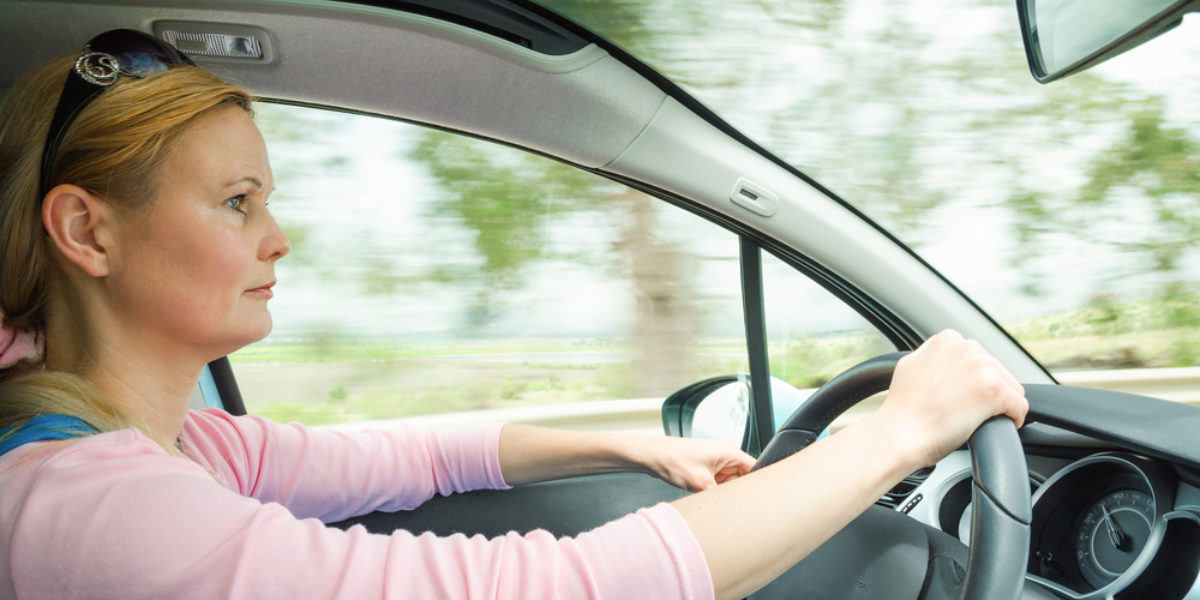
Driving is one of the most common daily activities, yet it also carries significant risk. Every year, millions of accidents occur worldwide due to human error, distraction, or poor judgment. This is why defensive driving has become an essential skill for every motorist.
Defensive driving focuses on anticipating hazards, staying alert, and making safe decisions to reduce the likelihood of collisions. Instead of simply reacting to traffic situations, defensive drivers actively predict potential dangers and prepare for them. Learning these techniques can help drivers protect themselves, their passengers, and everyone else on the road.
What Is Defensive Driving?
Defensive driving is a set of safe driving practices designed to minimize risk and prevent accidents. It involves staying aware of your surroundings, understanding how other drivers behave, and maintaining control of your vehicle in all conditions.
Unlike aggressive or reactive driving styles, defensive driving emphasizes calm decision-making, patience, and awareness. Drivers who follow these principles are better prepared to handle unexpected road situations.
Key Benefits of Defensive Driving
Learning defensive driving techniques offers several advantages beyond accident prevention.
Major benefits include:
- Reduced risk of accidents by anticipating dangerous situations
- Improved reaction time in emergencies
- Lower vehicle repair costs due to fewer collisions
- Safer roads for everyone including pedestrians and cyclists
- Better fuel efficiency through smoother driving habits
Drivers who practice defensive techniques often develop greater confidence and control behind the wheel.
Essential Defensive Driving Techniques
1. Stay Focused and Avoid Distractions
Distractions are one of the leading causes of accidents. Even a few seconds of inattention can lead to serious consequences.
To remain focused while driving:
- Avoid using your phone unless absolutely necessary
- Set navigation before starting your trip
- Keep conversations brief and non-distracting
- Avoid eating or multitasking while driving
A defensive driver understands that full attention must remain on the road at all times.
2. Maintain a Safe Following Distance
Keeping enough distance between your car and the vehicle ahead allows you to react safely if traffic suddenly slows.
A widely recommended guideline is the three-second rule:
- Choose a fixed point on the road
- When the car ahead passes it, count three seconds
- If you reach the same point before finishing the count, you are too close
In poor weather or heavy traffic, increasing this distance provides even greater safety.
3. Scan the Road Ahead
Defensive drivers constantly scan the road environment, not just the vehicle directly in front of them.
Look for potential hazards such as:
- Sudden braking from vehicles ahead
- Pedestrians near crosswalks
- Cyclists or motorbikes approaching from blind spots
- Debris or obstacles on the road
By observing traffic patterns early, drivers gain more time to react calmly.
4. Use Mirrors Frequently
Checking mirrors regularly helps maintain awareness of surrounding vehicles.
A good practice is to:
- Check mirrors every 5–8 seconds
- Monitor vehicles approaching from behind
- Be aware of blind spots when changing lanes
Proper mirror use ensures that no vehicle enters your blind zone unnoticed.
5. Anticipate Other Drivers’ Behavior
Not every driver follows traffic rules or behaves predictably. Defensive drivers assume that others may make mistakes.
Watch for warning signs such as:
- Vehicles drifting between lanes
- Sudden speed changes
- Drivers failing to signal
- Cars approaching intersections too quickly
Anticipating these behaviors helps you prepare for potential hazards.
6. Adjust Driving to Weather and Road Conditions
Road conditions can dramatically affect vehicle control.
Defensive driving requires adjusting your behavior in situations such as:
- Rain: Reduce speed and increase following distance
- Fog: Use low beams and drive slowly
- Snow or ice: Avoid sudden braking or sharp turns
- Night driving: Stay alert for reduced visibility
Adapting to conditions keeps your vehicle stable and easier to control.
7. Obey Traffic Laws and Speed Limits
Traffic laws are designed to maintain order and reduce accidents. Defensive drivers treat speed limits and signals as critical safety guidelines rather than optional suggestions.
Safe habits include:
- Respecting posted speed limits
- Using turn signals consistently
- Stopping completely at stop signs
- Yielding to pedestrians and emergency vehicles
Following traffic rules reduces unpredictable situations on the road.
Defensive Driving in High-Risk Situations
Certain driving environments require extra caution.
Heavy Traffic
In dense traffic:
- Maintain larger gaps between vehicles
- Avoid constant lane changes
- Stay patient and avoid aggressive driving
Intersections
Intersections are among the most dangerous areas on the road. Always:
- Look both ways before entering
- Be prepared for drivers running red lights
- Watch for pedestrians crossing unexpectedly
Highway Driving
Highways involve higher speeds, which increases accident severity. Defensive drivers:
- Stay in the appropriate lane
- Use signals well in advance
- Avoid lingering in blind spots of large trucks
These precautions help reduce the chances of high-speed collisions.
Developing Defensive Driving Habits
Defensive driving is not just a technique—it is a mindset. Developing safer habits takes consistent practice.
Helpful ways to build these habits include:
- Taking defensive driving courses
- Reviewing traffic rules regularly
- Practicing calm and patient driving
- Reflecting on mistakes and learning from them
Over time, these practices become automatic and significantly improve road safety.
Conclusion
Defensive driving is one of the most effective ways to reduce accidents and protect lives on the road. By staying alert, anticipating hazards, maintaining safe distances, and adapting to changing conditions, drivers can significantly lower the risks associated with everyday travel.
Safe driving is not only about controlling your own vehicle—it is also about predicting and responding to the actions of others. When more drivers adopt defensive techniques, roads become safer for everyone.
Frequently Asked Questions (FAQs)
1. What is the main goal of defensive driving?
The primary goal is to prevent accidents by anticipating potential hazards and making safe decisions while driving.
2. How does defensive driving reduce accident risk?
It encourages drivers to stay alert, maintain safe distances, and react early to dangerous situations, which significantly lowers collision chances.
3. What is the three-second rule in defensive driving?
The three-second rule is a guideline for maintaining a safe following distance from the vehicle ahead, giving drivers enough time to react if traffic stops suddenly.
4. Can defensive driving help lower insurance costs?
Yes. Some insurance companies offer discounts to drivers who complete defensive driving courses, as these drivers are considered lower risk.
5. Why is scanning the road important while driving?
Scanning helps drivers identify potential hazards early, allowing them to adjust speed or position before a dangerous situation develops.
6. Is defensive driving useful for experienced drivers?
Absolutely. Even experienced drivers benefit from defensive driving because it improves awareness and reduces risky behaviors.
7. Are defensive driving courses worth taking?
Yes. These courses teach practical safety strategies, refresh traffic knowledge, and help drivers develop safer long-term driving habits.

Comments are closed.