

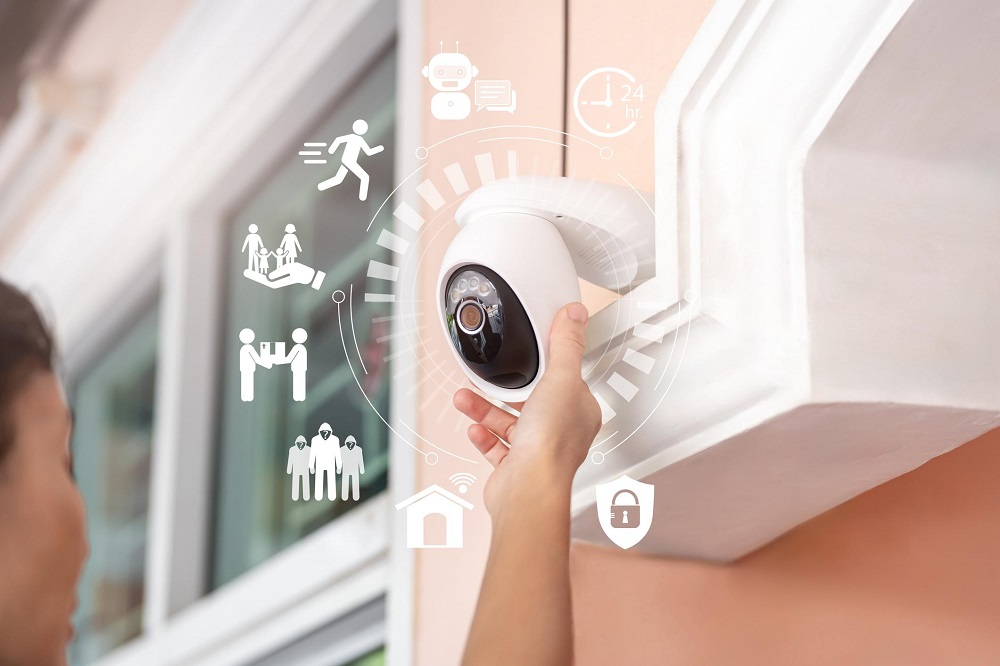
Home security has become an essential priority for homeowners. Whether you live in a busy urban neighborhood or a quiet suburb, protecting your property and loved ones requires a combination of awareness, planning, and technology.
Improving home security does not always require expensive systems or complex installations. In many cases, simple upgrades and smart habits can significantly reduce the risk of burglary or unauthorized access.
This guide explains practical and effective ways to strengthen your home’s security while keeping your living space comfortable and accessible.
Why Home Security Matters
A secure home provides more than protection against theft. It also creates peace of mind for you and your family.
Effective home security helps to:
- Deter potential intruders
- Protect valuable belongings
- Increase personal safety
- Reduce insurance risks
- Monitor property remotely
Criminals often target homes that appear vulnerable. Visible security measures alone can discourage many intruders from attempting a break-in.
1. Install a Reliable Home Security System
A professional or DIY home security system is one of the most effective ways to safeguard your property.
Modern systems often include:
- Motion sensors
- Window and door sensors
- Security cameras
- Alarm sirens
- Mobile app monitoring
Many systems now connect to smartphones, allowing homeowners to monitor their property in real time and receive instant alerts.
When selecting a system, consider:
- Wireless vs wired installation
- Professional monitoring services
- Smart home compatibility
A well-configured security system can detect suspicious activity quickly and notify authorities if needed.
2. Upgrade Door and Window Locks
Doors and windows are the most common entry points for intruders.
Improving these areas can significantly strengthen your home’s security.
Consider the following upgrades:
- Deadbolt locks for exterior doors
- Smart locks with keypad or biometric access
- Reinforced strike plates
- Window locks or security bars
Solid core or metal doors also provide better resistance compared to hollow wooden doors.
3. Use Smart Lighting Around Your Property
Lighting is a powerful deterrent against criminal activity. Intruders prefer dark areas where they can move unnoticed.
Install motion-activated lights in key areas such as:
- Front entrance
- Backyard
- Garage
- Driveway
- Side pathways
Smart lighting systems can also be scheduled to turn on automatically when you are away, creating the impression that someone is home.
4. Install Outdoor Security Cameras
Security cameras help monitor activity around your property and provide valuable evidence if an incident occurs.
Important camera placement locations include:
- Front door
- Back door
- Garage
- Driveway
- Side entrances
Modern cameras often offer features such as:
- Night vision
- Two-way audio
- Motion detection alerts
- Cloud video storage
Visible cameras can also act as a strong deterrent to potential intruders.
5. Secure Your Wi-Fi Network
As homes become more connected, cybersecurity is also part of home security.
An unsecured network can allow hackers to access smart devices such as cameras, locks, or alarm systems.
To protect your network:
- Use strong passwords
- Enable WPA3 or WPA2 encryption
- Change the router’s default login credentials
- Update firmware regularly
- Create a separate guest network
These steps help ensure that your smart home devices remain secure.
6. Maintain Landscaping for Visibility
Overgrown trees, bushes, and shrubs can create hiding spots for intruders.
Maintaining clear visibility around your home helps improve security.
Recommended landscaping practices include:
- Trim bushes near windows
- Keep trees pruned
- Avoid tall hedges blocking entrances
- Use gravel paths that make noise when walked on
A well-maintained yard increases visibility and reduces concealment opportunities.
7. Build Strong Neighborhood Awareness
Community awareness is one of the most underrated security strategies.
Get to know your neighbors and consider participating in a neighborhood watch program.
Benefits include:
- Monitoring suspicious activity
- Sharing security information
- Looking after homes during vacations
- Creating a stronger sense of community safety
Criminals are less likely to target areas where neighbors actively watch out for one another.
8. Practice Smart Daily Habits
Even the best security system can be ineffective without consistent habits.
Simple practices can make a major difference.
Always remember to:
- Lock doors and windows before leaving home
- Avoid sharing vacation plans publicly on social media
- Collect mail regularly
- Use timers for indoor lights
- Keep spare keys hidden securely or use smart locks
Consistency in these habits helps eliminate easy opportunities for intruders.
Frequently Asked Questions (FAQs)
1. What is the most effective home security upgrade?
Installing a comprehensive security system with cameras and motion sensors is one of the most effective ways to protect a home. It deters intruders and provides real-time monitoring.
2. Are smart home security systems safe from hacking?
Yes, if configured properly. Using strong passwords, encrypted networks, and regular software updates greatly reduces the risk of unauthorized access.
3. Do security cameras actually prevent burglaries?
Yes. Visible cameras often act as a strong deterrent, as many intruders avoid homes where they might be recorded.
4. How much does a basic home security system cost?
A basic DIY system can range from $150 to $500, while professionally monitored systems may include monthly service fees.
5. Should security cameras be visible or hidden?
Visible cameras are generally more effective because they discourage intruders before a crime occurs. However, some hidden cameras can help capture unnoticed activity.
6. What areas of a home should always be monitored?
Key areas include front doors, back doors, garages, driveways, and main entry points.
7. How can I improve security when traveling?
Before traveling:
- Lock all entry points
- Use smart lighting schedules
- Pause mail deliveries
- Ask neighbors to watch your property
These measures help maintain the appearance that someone is home.

Comments are closed.